Our Story
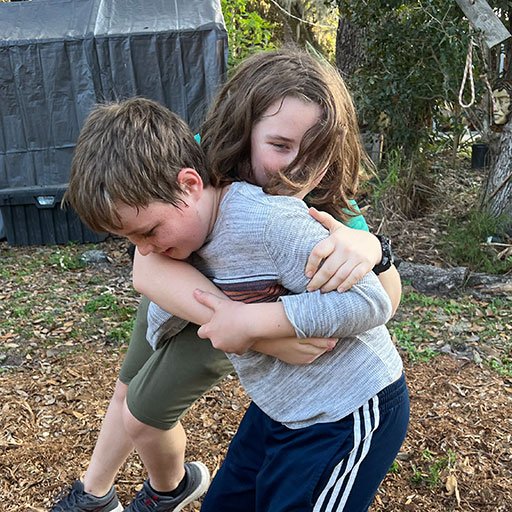
Cypress River was born from the vision of Nathaniel Kayan Cajudo, a passionate martial artist, fine artist and community advocate who recognized a growing need for change in the lives of today’s youth. As he taught martial arts, Kayan observed an alarming decline in kids’ mental health, with many struggling with feelings of isolation and stress. He saw firsthand how a world dominated by technology and screens was keeping children inside, disconnected from the physical and emotional benefits of outdoor activity.
Kayan’s vision wasn’t about rejecting technology; rather, it was about creating a balanced environment where kids and adults alike could step away from screens and reconnect with themselves and each other. He believes that in today’s fast-paced world, fostering mindfulness and physical movement is key to nurturing mental health, strengthening communities, and building solid foundations for the future.
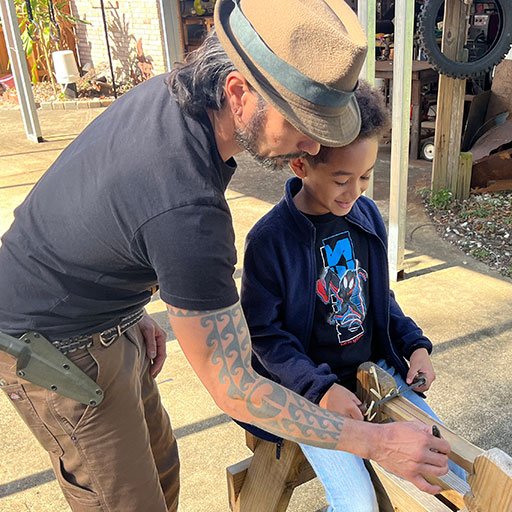
Drawing on his own experiences as a blacksmith, wood carver, and mentor, Kayan introduced hands-on activities to engage kids at a critical age—their teenage years—when many of life’s distractions begin to take hold. From blacksmithing to martial arts, woodworking to mindfulness practices, Cypress River offers a diverse range of programs designed to inspire and empower individuals, foster connection, and provide meaningful outlets for personal growth. At Cypress River, we’re committed to making a positive impact. We serve not only individuals but also families, creating a supportive environment where everyone can grow, connect, and thrive. Through our programs, we aim to build stronger, more resilient communities, one mindful step at a time.
Why This Work Matters
In our community, we are seeing a decline in our physical health and relationships. The rise in mental health struggles, particularly among youth, highlights a pressing need for change. Technology has its place, but it often keeps us indoors and disconnected. We believe in the power of mindfulness, physical activity, and creative expression to help combat these challenges. While recognizing that they are a part of life, by encouraging people to step away from screens and build relationships, we can foster healthier, more connected communities.